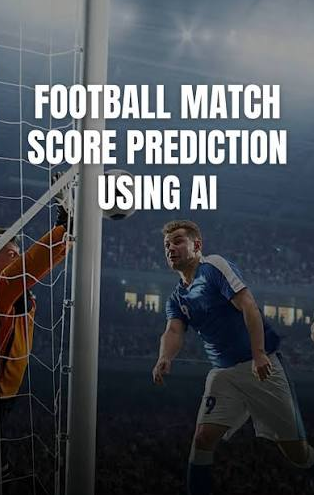
AI Soccer Prediction is changing the way football fans analyse matches and make predictions. By using artificial intelligence, machine learning and historical football data, AI-powered prediction tools can analyse factors such as team form, goals scored, head-to-head records, player performance and home advantage to estimate possible match outcomes.
While AI soccer predictions can provide useful statistical insights, they should not be treated as guaranteed results. Football is unpredictable, and factors such as injuries, tactics, red cards and unexpected performances can influence the outcome of any match.
Things to Know About AI Soccer Prediction
- Uses historical data: AI models analyse previous match results, team performances and other statistics.
- Analyses team form: Recent wins, losses, draws and scoring patterns can influence predictions.
- Considers home advantage: Playing at home or away can be an important factor in prediction models.
- Can predict different markets: Some AI tools provide predictions for match winners, over/under goals, both teams to score, correct scores and other markets.
- Player statistics matter: Goals, assists, injuries, suspensions and individual performances may be included in some models.
- Predictions are probability-based: AI does not know the future; it calculates likely outcomes based on available data.
- No prediction is guaranteed: Even highly detailed statistical models can get football matches wrong.
- Useful for match analysis: AI predictions can be combined with team news, tactical analysis and current form when researching a game.
- Data quality is important: The accuracy of an AI model depends heavily on the quality and relevance of the data it analyses.
- Responsible betting matters: If using AI predictions for betting, treat them as analytical information rather than guaranteed winning tips.
How Does AI Soccer Prediction Work?
AI soccer prediction systems typically process large amounts of football data before generating an estimated outcome. The system may examine historical results, goals, recent form, home and away records, player statistics and other measurable factors. Machine-learning algorithms then identify patterns in the data and produce probabilities or predicted scores.